
Introduction
If you sell online across more than one marketplace, you already know the real challenge isn’t sourcing products—it’s managing everything once those listings go live. Keeping track of inventory, updating prices, and making sure an item doesn’t accidentally sell twice can quickly become overwhelming.
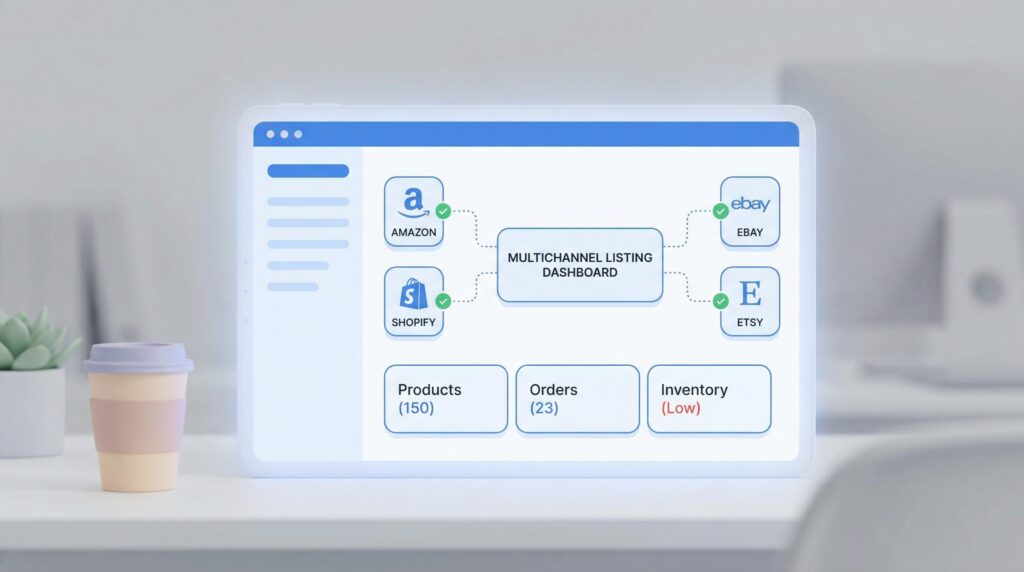
That’s why tools like Vendoo have become increasingly popular with online resellers. Instead of juggling tabs across eBay, Poshmark, Mercari, Etsy, and other platforms, Vendoo brings everything into one central dashboard.
I spent time exploring Vendoo from the perspective of a reseller who values efficiency and clarity. This article shares a practical look at what Vendoo does, how it feels to use, and why many sellers rely on it to streamline their daily workflow—especially heading into a new selling year.
What Is Vendoo and What It Helps With
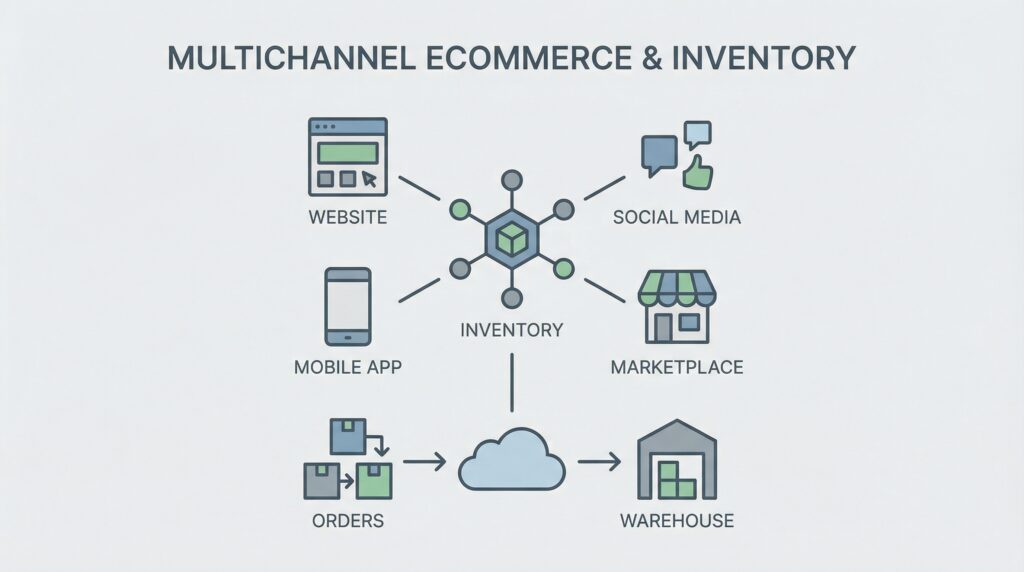
Vendoo is a multichannel listing and inventory management platform built specifically for online resellers. Its main purpose is to help sellers list products across multiple marketplaces from one place, while keeping inventory synced and organized.
Instead of creating and managing listings separately on each platform, Vendoo allows you to cross-list items, track sales, manage inventory, and update listings without constantly switching accounts.
This kind of setup is especially helpful for resellers who operate on more than one marketplace and want a more organized, scalable way to grow their business.
How People Usually Use This Tool
Most resellers use Vendoo as their central control panel. A common workflow looks like this: create a listing once, publish it to several marketplaces, and let Vendoo handle inventory tracking and delisting when an item sells.
Others use it primarily for bulk actions—updating prices, relisting stale inventory, or organizing hundreds of listings more efficiently. Over time, Vendoo becomes less of a “tool you open occasionally” and more of a daily business companion.
The Problem It’s Designed to Solve
Managing listings across multiple marketplaces often leads to duplicated work, missed updates, and inventory mistakes. Vendoo is designed to reduce that friction by giving sellers one system that keeps everything aligned and visible.
My Experience Exploring Vendoo
Approaching Vendoo as a reseller, the first thing that stands out is how focused it feels. It’s clearly built for people who already understand reselling and want a smoother process rather than flashy extras.
First Impressions
The interface is clean and structured, with listings, inventory, and marketplaces clearly separated. Even if you’re new to cross-listing tools, it doesn’t take long to understand where things live.
Connecting marketplaces is straightforward, and once connected, Vendoo acts as a hub where everything flows through. It feels organized rather than cluttered, which matters when you’re dealing with dozens or hundreds of items.
How It Fits Into Everyday Work
Vendoo fits naturally into a reseller’s routine. Creating a new listing, cross-posting it, and tracking its status across platforms feels efficient. When an item sells, automated delisting helps prevent accidental double sales, which is a huge stress reducer.
Bulk tools also make a noticeable difference. Updating prices or relisting older inventory across multiple marketplaces can be done in minutes instead of hours.

What Stands Out About Vendoo
Vendoo’s value really shows up in how it supports real reseller workflows, especially for sellers managing inventory at scale.
Where It Saves Time
Time savings come from eliminating repetitive tasks. Creating one listing instead of five, managing inventory in one place, and handling bulk updates all add up quickly.
For sellers who resell consistently, these small efficiencies can free up hours each week—time that can be reinvested into sourcing, packaging, or growing the business.
Why It Feels Practical for Real Users
Vendoo doesn’t try to reinvent reselling. It focuses on the practical realities sellers deal with every day: inventory accuracy, platform organization, and workload balance.
Features like sale detection, analytics, and automated delisting are quietly powerful. They don’t demand attention, but they make everything feel more stable and manageable behind the scenes.
Who This Tool Is Best Suited For
Vendoo is especially well-suited for online resellers who sell on multiple marketplaces and want a centralized way to manage their business.
It works well for part-time sellers looking to scale without chaos, as well as full-time resellers handling large inventories. Small business owners, vintage sellers, clothing resellers, and anyone operating across platforms like eBay, Poshmark, Mercari, Etsy, or Depop will likely find it helpful.
It’s also a good fit for sellers who value organization and want tools that grow with them as listing volume increases.
Final Thoughts
Vendoo feels like a tool built by people who understand the realities of reselling. It doesn’t promise shortcuts to success, but it does offer structure, clarity, and efficiency—three things that make a real difference in day-to-day operations.
Right now, Vendoo is also running a Reseller’s Resolution promotion, offering 40% off your first month—which makes it a nice opportunity to test how it fits into your workflow without a big upfront commitment.
If you’re curious to explore it yourself, you can check out Vendoo here and see how it works in practice:
👉https://www.vendoo.co/

You can also use the promo code PROFIT26WEB at checkout to activate the discount and decide from there whether it’s the right long-term tool for your reselling setup.