
As the landscape of artificial intelligence continues to evolve at an unprecedented pace, researchers and industry leaders are eager to identify the best ai research tool 2026—those innovative platforms and technologies that will transform how we explore, experiment, and develop AI solutions. With advancements accelerating, choosing the right tools today can shape breakthroughs tomorrow, making this an essential area to watch for anyone invested in AI progress. The coming year—2026—is poised to showcase a new era where intelligent software not only accelerates research but also democratizes access, enhances collaboration, and introduces groundbreaking methodologies.
In this blog, we’ll explore the most promising AI research tools on the horizon, predict emerging trends, analyze which platforms could dominate the scene, evaluate their real-world practicality, and understand how they will impact industries. Whether you are a researcher, investor, or enthusiast, understanding these innovations will help you navigate AI’s future and identify the best ai research tool 2026 for your needs.
Top AI Research Tools to Watch in 2026: A Comprehensive Overview
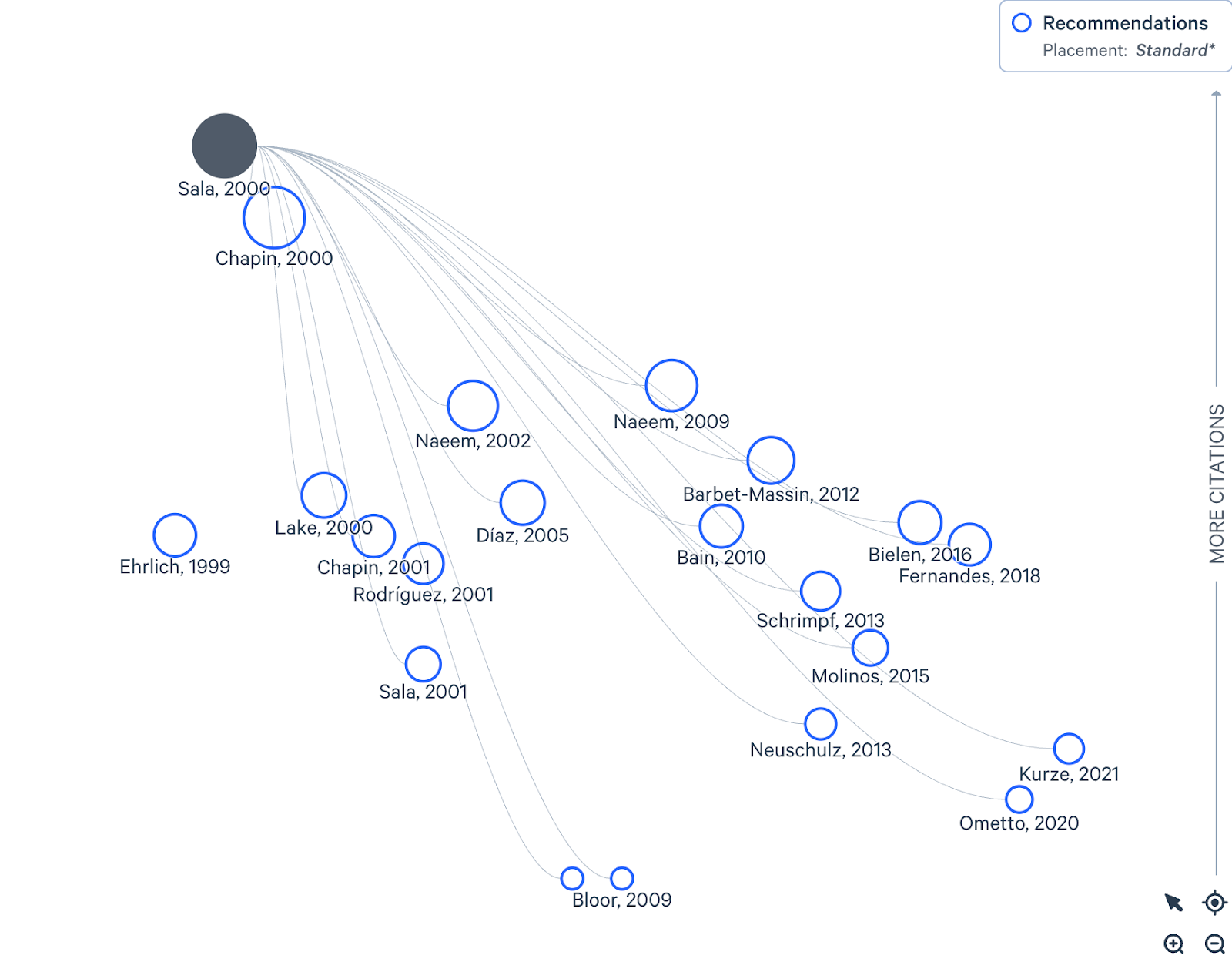
The AI research field is bursting with novel tools designed to push boundaries and solve complex problems faster than ever before. Platforms integrating techniques such as deep learning, natural language processing, reinforcement learning, and transfer learning are rapidly evolving, creating a rich ecosystem of solutions. By 2026, expect to see integration of multi-modal data processing, automated hypothesis generation, and even real-time adaptive learning becoming mainstream features in top tools.
Leading AI research tools will be characterized by their ability to handle enormous datasets effortlessly, foster collaboration across disciplines and regions, and produce insights that were previously impossible. Open-source projects will continue to thrive, driven by communities eager to democratize AI innovation, while proprietary solutions will leverage breakthroughs in AI explainability and fairness to appeal to enterprise needs. In this landscape, identifying the best ai research tool 2026 requires assessing their versatility, scalability, and user-friendliness beyond basic capabilities.
Predicting the Future: AI Research Tool Trends Leading to 2026
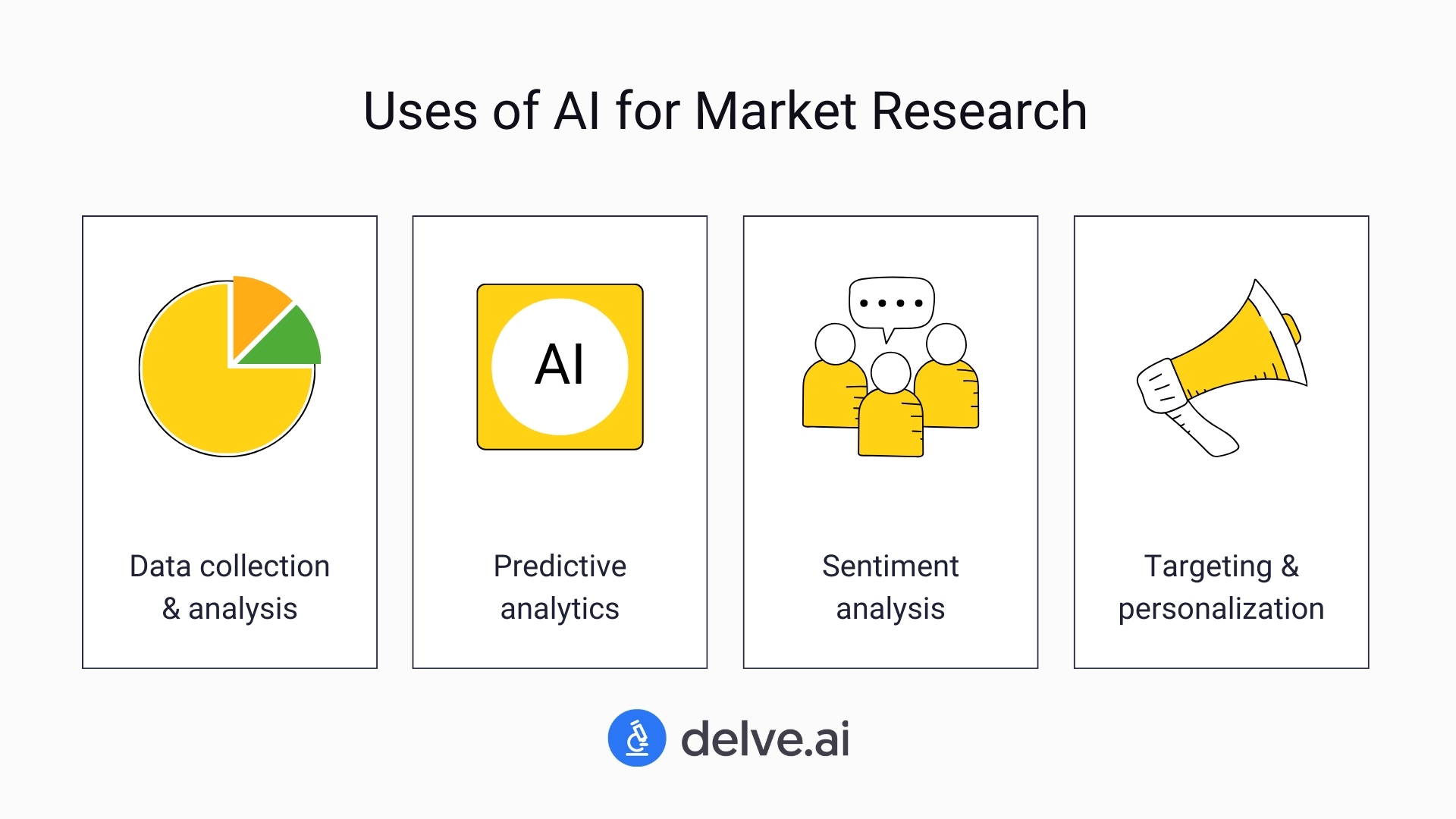
Looking ahead, several key trends will shape the trajectory of AI research tools over the next few years. First, a significant shift toward automation in experimental design and hypothesis testing will streamline scientific discovery. Tools utilizing generative models—such as advanced variants of GPT or similar architectures—will not only assist in data analysis but will actively generate innovative research ideas, reducing the time from hypothesis to validation.
Second, a major trend will involve increased deployment of AI-powered simulation environments. These platforms will enable researchers to test complex theories in virtual settings before physical experimentation, drastically reducing costs and accelerating development cycles. The integration of explainability and interpretability features into AI systems will also be paramount, ensuring that researchers can trust and understand the insights generated. Ultimately, these trends will make the best ai research tool 2026 an even more sophisticated and indispensable part of scientific inquiry.
Investing in Innovation: Which AI Research Platforms Will Dominate 2026?
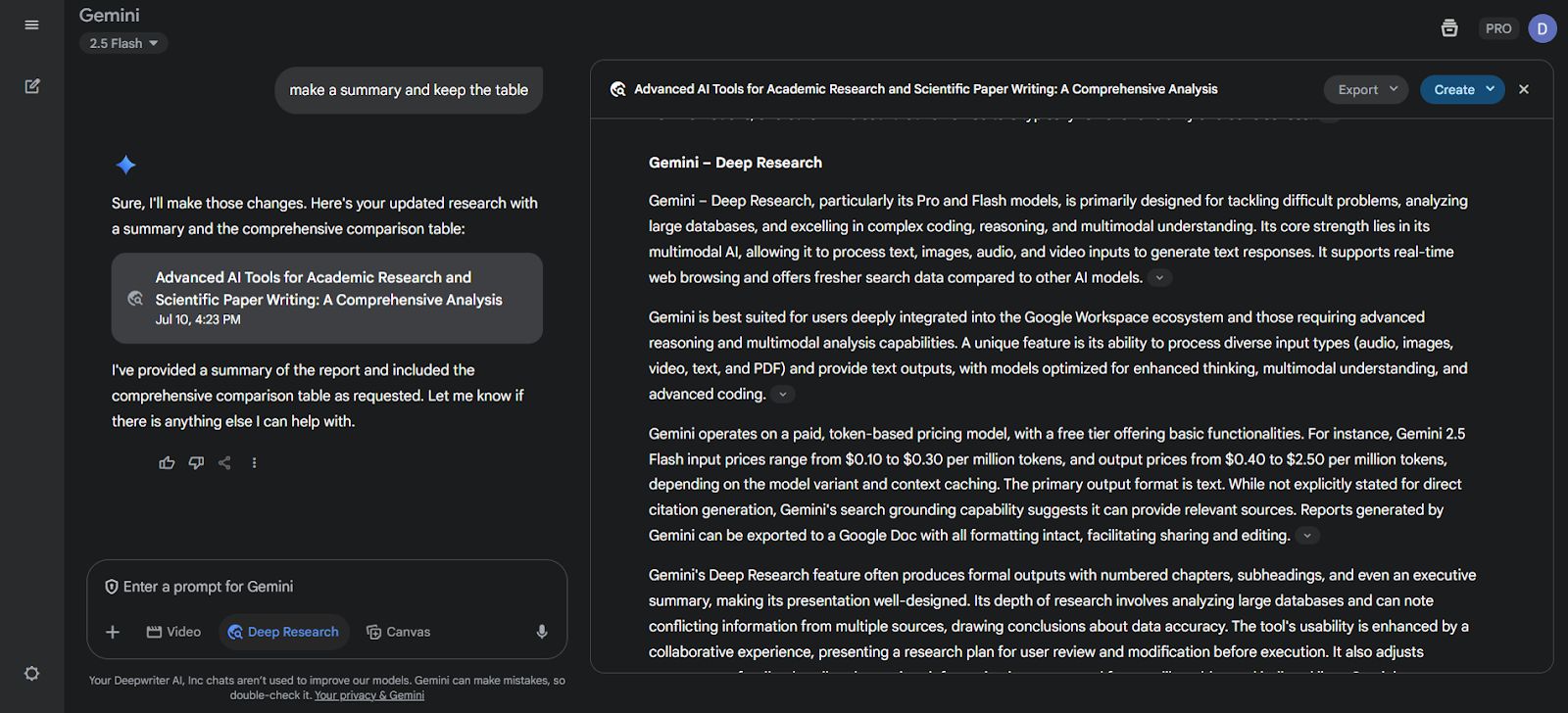
Choosing the platforms destined to lead the AI research revolution in 2026 involves analyzing their innovation potential, community support, and real-world applications. Established giants like Google DeepMind, OpenAI, and Microsoft Azure will continue to push the envelope, leveraging their vast resources to fund cutting-edge projects and develop comprehensive toolkits. However, emerging startups with novel approaches—focusing on niche markets such as biomedical research, climate modeling, or personalized AI—might also become dominant players due to their agility and specialized knowledge.
Furthermore, open-source initiatives like Hugging Face and MLflow are positioned to gain even more traction, providing flexible, accessible tools that foster global collaboration. These platforms often serve as incubators for innovation, spawning new functionalities that later get integrated into enterprise-grade solutions. For investors and researchers alike, the best ai research tool 2026 will likely be a hybrid of robust proprietary software enhanced by open-source innovations, enabling a balance of security, scalability, and community-driven improvement.
Beyond the Hype: Evaluating the Practicality of AI Research Tools Set for 2026
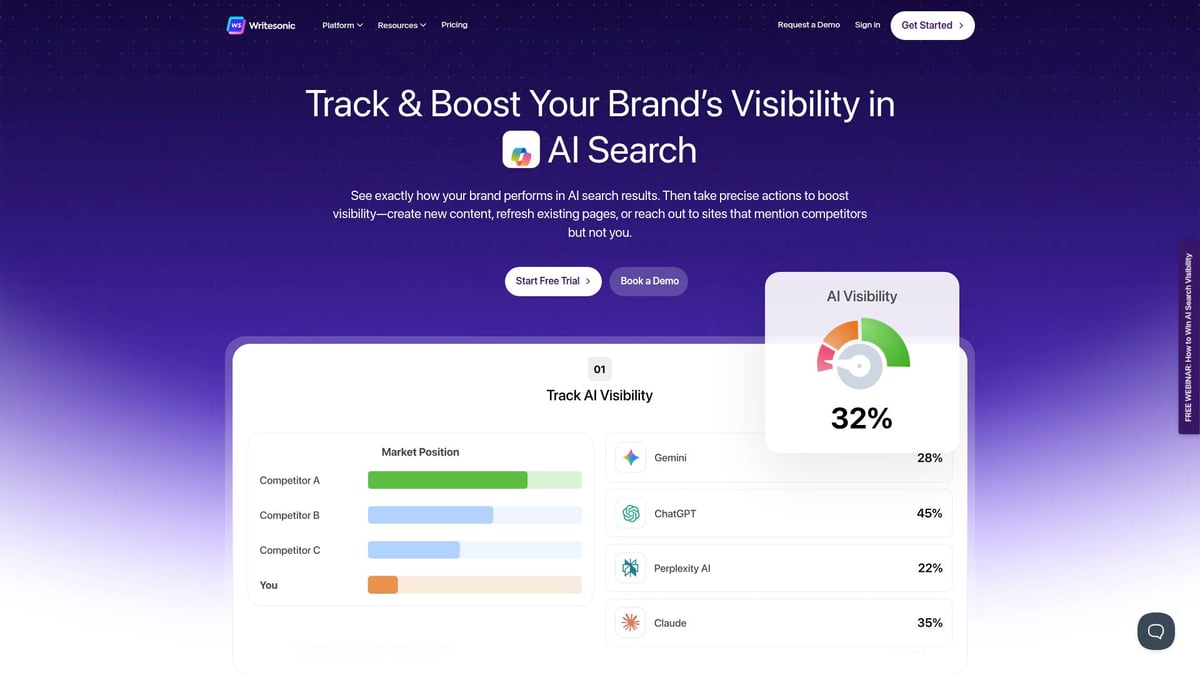
While hype around new AI tools often promises revolutionary breakthroughs, practical usability remains a critical factor for sustained adoption. Many emerging platforms boast impressive demo videos and ambitious claims; however, their real-world applicability hinges on factors like ease of integration into existing workflows, transparency in decision-making processes, and low barriers to entry for users with varying skill levels.
An essential aspect of evaluating the best ai research tool 2026 will be understanding how these tools handle data privacy and security, especially when dealing with sensitive information like health records or financial data. Moreover, tools that incorporate automation must maintain a balance—reducing manual effort without sacrificing accuracy or interpretability. Tools that offer modular functionalities, compatibility with familiar programming languages, and strong community support will stand out as the most practical and scalable solutions for diverse research applications.
The Impact of Cutting-Edge AI Research Tools on Industry in 2026

In the industrial sphere, the proliferation of advanced AI research tools will serve as a catalyst for innovation across sectors such as healthcare, finance, manufacturing, and even entertainment. For instance, in healthcare, predictive analytics powered by AI tools will enable earlier diagnosis, personalized treatments, and faster drug discovery. Similarly, manufacturing will benefit from AI-driven optimization of supply chains, predictive maintenance, and autonomous systems.
The best ai research tool 2026 will not just accelerate existing workflows but also enable the creation of entirely new business models and markets. Industries will leverage these tools for real-time decision-making, complex simulations, and large-scale data analysis—democratizing access to AI’s transformative power. Ethical concerns such as bias, transparency, and accountability will also shape how these tools are built and adopted, prompting industry leaders to invest heavily in responsible AI research and robust governance frameworks. This integration of cutting-edge tools will redefine competitive advantage and push industries toward a more innovative, efficient, and smarter future.
Future-Proofing Your Research: Selecting the Right AI Tools for 2026 and Beyond

Looking into 2026 and beyond, selecting the best ai research tool involves more than just current features—it requires a strategic vision aligned with future needs. Flexibility and adaptability are paramount; tools that support continuous updates, integration with emerging technologies, and scalable architectures will last longer and remain valuable over time. Additionally, it’s crucial to consider ecosystem support—whether the tool benefits from active developer communities, comprehensive documentation, and interoperability with other platforms.
Investing in tools with a focus on sustainability, ethical AI, and user-centric design will future-proof your research endeavors. As AI systems become more complex, understanding their underlying mechanisms, data requirements, and potential biases will be essential to harnessing their full power responsibly. When choosing platforms for 2026, prioritize those that balance innovation with practicality—and those that empower researchers to push the boundaries without losing sight of the societal implications.
Conclusion
The future of AI research tools by 2026 promises a landscape filled with innovation, rapid growth, and transformative impact. With advancements accelerating in automation, simulation, explainability, and collaborative platforms, the best ai research tool 2026 will be pivotal in shaping scientific and industrial breakthroughs across sectors. Careful evaluation of emerging platforms—considering their practicality, scalability, and ethical frameworks—will be essential for researchers and organizations aiming to stay at the cutting edge. As industries evolve, so too will the tools that facilitate discovery, making it an exciting era for AI innovation, and those who embrace this wave of transformation will be best positioned to lead in the new AI-driven age.